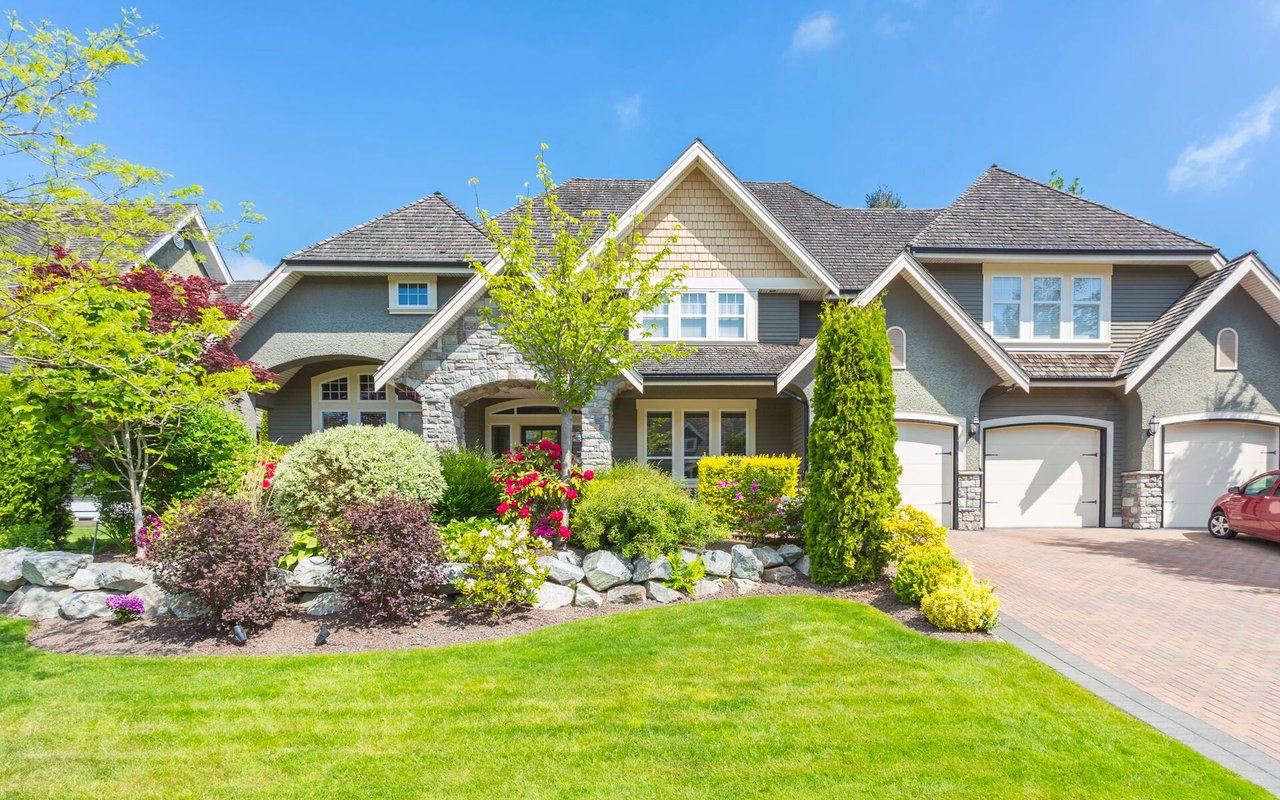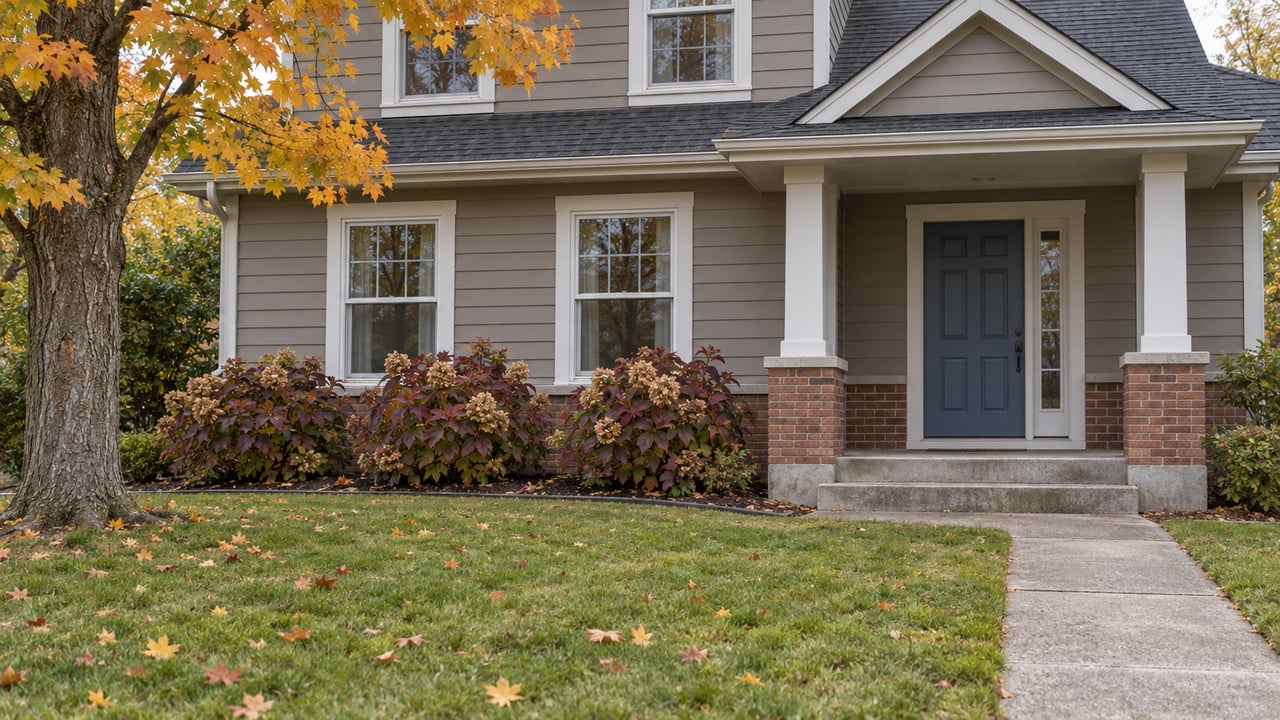
Picture two homes with the same Williamston, MI 48895 address. If the one in Williamstown Township is on a private well and septic system, it cannot close until Ingham County has seen an inspection of both. The one inside the City of Williamston skips that step completely, because homes on municipal water and sewer are exempt. The city home pays in a different way. It carries a higher property tax rate every year, and its utility bill includes two readiness charges every month. Both owners pay to deal with water and sewage. In the city, most of that cost comes through recurring bills. On a township home with a well and septic system, a good share of it comes due around the sale.
The step a township sale has to clear before closing
Ingham County's Board of Commissioners adopted its point-of-sale rule on April 25, 2006. It requires residential wells and septic systems to be inspected and evaluated before the property changes hands. In much of the area around the city, that rule applies to most homes. Williamstown Township's Parks and Recreation Master Plan, adopted December 10, 2025, says most of the township relies on septic. Sanitary sewer reaches some southern subdivisions, and public utilities are available along Grand River near the city.
The county's point-of-sale brochure sets out how the process works:
- A certified private inspector or the Ingham County Health Department does the inspection. Private inspectors set their own fees, and every inspection also carries an administrative fee.
- The inspector files the report with the county. Within five business days, the county issues a written notice of either conformance or non-conformance.
- A conformance letter is good for 12 months.
- If repairs are needed, the sale can still close if the county approves a corrective action plan, a contractor agreement, and an escrow covering 1.5 times the repair cost.
- Repairs have to be finished within 180 days of closing, and the escrowed money stays put until the Health Department authorizes its release in writing.
The county also says it does not control private inspectors' schedules. It encourages sellers and listing agents to get the inspection done at the start of the listing so the closing isn't delayed. In other words, the timeline of a township sale partly depends on when an inspector is free.
The county's own fees are listed on its Permits and Licensing page. The point-of-sale application is $320, and an on-site evaluation of the well and septic by the county is $575. If the evaluation finds a problem, a septic repair permit costs $1,000 and a well permit costs $495. Those are only permit fees. The repair work costs extra, and the 150% escrow means more cash is tied up at closing than the bids themselves.
What the city home pays instead
Inside the city, that cost comes on a schedule. The City of Williamston's water and sewer rate sheet, effective July 1, 2025, is the latest the city has published. It charges $33.07 for water readiness and $22.73 for sewer readiness, and the sheet says both "appear on every bill whether there is usage or not." Bills go out monthly. Water use costs $3.98 per 1,000 gallons and sewer use costs $6.57 per 1,000 gallons. Before a single gallon comes out of the tap, the readiness charges add up to $55.80 a month, or about $670 a year.
The larger difference is on the tax bill. Here are the total homestead rates from Ingham County's 2025 Apportionment Report, the most recent full set of rates the county has published, for each unit inside the Williamston school district:
| Taxing unit, Williamston schools | Local city/township levy, 2025 | Total homestead rate, 2025 |
|---|---|---|
| City of Williamston | 14.7533 + 0.2456 mills | 58.1931 mills |
| Williamstown Township | 1.2128 mills | 44.4070 mills |
| Wheatfield Township | 1.2014 mills | 44.3956 mills |
| Leroy Township | 1.0540 mills | 44.2482 mills |
| Locke Township | 0.9776 mills | 44.1718 mills |
The four townships are within about a quarter of a mill of each other. That matters for a buyer, because it means choosing among Williamstown, Wheatfield, Leroy and Locke has little effect on the tax rate. Being inside or outside the city has a large one. In 2025 the gap between the city and Williamstown Township was about 13.8 mills. As an illustration, on $150,000 of taxable value that comes to roughly $2,070 a year.
That gap will probably still be there for the next tax year. Ahead of its May 26, 2026 budget hearing, the city proposed a general operating levy for fiscal 2026–27 "not to exceed 14.7533 mills," which matches the 2025 figure. The Capital Area District Library renewal that passed in August 2026 with 74.3% of the vote stays capped at 1.5586 mills for 2026 through 2029. It covers the City of Williamston and all four townships alike, so it doesn't move the gap in either direction.
Why the seller's tax bill is the wrong number on both sides
The figures above are rates. What a buyer actually pays depends on taxable value, and in Michigan a sale usually resets it. Michigan Treasury explains that under Proposal A, a qualifying transfer of ownership causes taxable value to uncap in the calendar year after the transfer. State law does list some transfers that don't count. The seller's tax bill reflects years of capped growth. The buyer's bill reflects that reset, multiplied by whichever rate in the table applies.
That makes the city-versus-township gap bigger in dollars, because the 13.8 mills apply to a taxable value that has just gone up. It also explains why two listings showing similar "annual taxes" can end up far apart a year after closing.
Whether you live in the home also changes the numbers. Treasury says the Principal Residence Exemption removes up to 18 mills of local school operating tax on an eligible principal residence. Without the exemption, the county's 2025 non-homestead rate was 76.1931 mills in the city and 62.4070 in Williamstown Township. If you're looking at a Williamston home to rent out, the city-versus-township decision sits on top of a much bigger rate.
Where the line is getting harder to see
The utility boundary doesn't always follow the city boundary. On January 14, 2026, the Williamstown Township Board unanimously approved a Sanitary Sewer Utility Franchise Agreement with the City of Williamston. City Council had approved it the night before. According to the meeting minutes, Supervisor Ron Poth confirmed the agreement means no expense to the township and doesn't affect any township property.
New construction along the corridor is moving forward too. Red Cedar Bend Apartments, a planned development at 2365 E. Grand River Avenue in Williamstown Township, is in Phase II review, with JJDB Properties, LLC as the applicant. In a September 22, 2026 letter to the township Planning Commission, Chris Doozan of McKenna wrote that the construction drawings were mostly consistent with the approved plans. The one exception was a detention basin out front replacing underground StormTech chambers, which the architect described as more economical.
For buyers, the takeaway is that a township address doesn't automatically mean a private well and septic system. A home on township land near Grand River may be on public utilities, while one a few miles north may not be. The tax rate is set by where the parcel sits, but the point-of-sale rule depends on how the house is actually served. So each listing needs to be checked on both counts.
Two questions to settle for any Williamston listing
- Which taxing unit is the parcel in? The mailing address won't tell you. The assessor's records will, and that tells you which row of the table applies.
- How is the house served for water and sewer? If it's municipal, expect the monthly readiness charges and no point-of-sale inspection. If it's a private well or septic, ask whether a conformance letter already exists and when it was issued, because the county treats it as valid for 12 months.
Quick Questions
Does the City of Williamston have a city income tax? No. Williamston isn't among the Michigan cities on Treasury's list of cities that levy an income tax.
Are any homes exempt from the county well and septic inspection besides those on city utilities? The county brochure lists a few exemptions. They include well and septic systems installed and given final approval within the last two years, a name removed from the title or changed because of a divorce, and land contracts until the title actually transfers.
This post is general information, not legal, tax or financial advice. Please check the details of any specific property with the assessor, the Ingham County Health Department, or your own tax professional.
When we help buyers compare Williamston homes, we start by finding out which side of the city line a parcel sits on and how it's served for water and sewer, and we do that before the offer, not after. If you'd like a hand weighing a city home against a township home, the Thornton Realty Team is happy to go through the numbers with you. Work With Us.